Transforming the Way we Work- Scrum, Waterfall or just Go “Agile” – Part II
(contd. from part I…..)Transforming from Waterfall or hybrid to Agile is a significant shift in project management methodology, but it can be capitalized on with careful planning and execution. It can also bring significant benefits to an organization, such as increased flexibility, faster time-to-market, improved collaboration, and adaptability to changing requirements.
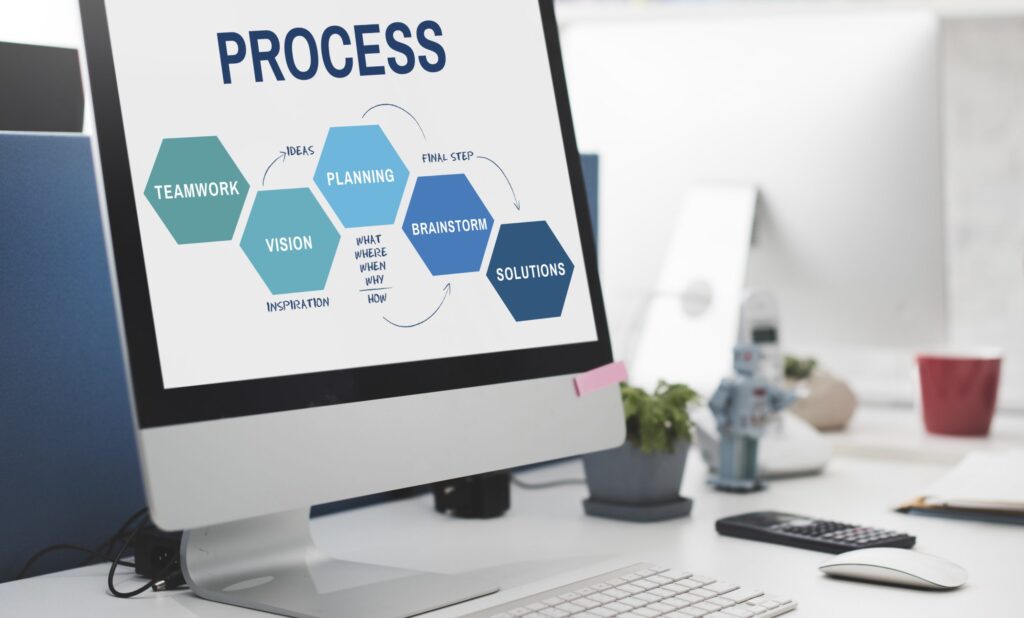
It’s important to note that this transformation requires a cultural shift, collaboration, adaptability as well as process change. It takes time and effort to overcome resistance and establish a new way of working, but the benefits of being Agile, such as faster time-to-market, better quality, and higher customer satisfaction, can be worth the investment. Therefore it’s important to communicate the benefits of agile to stakeholders and manage expectations regarding flexibility, continuous feedback, and the iterative nature of project delivery.
Proper assessment of the current state of the organization and identification of areas for improvement is important to ensure a smooth transition and implementation of the process into the company’s culture.
It’s important to note that this transformation requires a cultural shift, collaboration, adaptability as well as process change. It takes time and effort to overcome resistance and establish a new way of working, but the benefits of being Agile, such as faster time-to-market, better quality, and higher customer satisfaction, can be worth the investment. Therefore it’s important to communicate the benefits of agile to stakeholders and manage expectations regarding flexibility, continuous feedback, and the iterative nature of project delivery.
Proper assessment of the current state of the organization and identification of areas for improvement is important to ensure a smooth transition and implementation of the process into the company’s culture.
Here are some steps that we are using to transform from Hybrid to Agile:
- Assessing the current situation: Understand the reasons for the shift, evaluate the current processes, and identify the challenges and opportunities for improvement.
- Creating a plan: Develop a roadmap for the transformation, including the timeline, budget, resources, and key performance indicators.
- Involving your cross-functional team: Involve all stakeholders, including the development team, management, customers, and end-users, in the transformation process.
- Define what you need: Choose the most suitable framework and tailor it to the project’s requirements.
- Educate the team: Train the team on the Agile principles, practices, and tools, and ensure that everyone is aligned with the new way of working.
- Implement Agile practices or let’s just say best Practices: Introduce Development Best Practices such as user stories, backlog grooming, sprints, daily stand-up meetings, and retrospectives, to promote collaboration, transparency, and feedback.
- Adapt and improve: Continuously evaluate the process, measure the outcomes, and adapt the methodology to improve the project’s efficiency and quality.

Running Agile with Waterfall-
Agility is a characteristic of the Agile methodology, which is an iterative and incremental approach to software development. Waterfall, on the other hand, is a linear and sequential approach to project management. Agility in Waterfall can refer to the ability of a Waterfall team to adapt to changing circumstances or requirements during a project. While Waterfall is typically a more rigid methodology, there are certain practices that can increase agility in a Waterfall environment:
- Breaking down the project into smaller phases: This can enable more frequent checkpoints and feedback loops, allowing the team to adjust course if necessary.
- Regular communication and collaboration: This can help ensure that everyone is aligned and can quickly respond to changes or issues.
- Flexibility in requirements: Allowing for some flexibility in the requirements can enable the team to adjust as needed, without derailing the project.
- Continuous testing and validation: By continuously testing and validating each phase of the project, the team can catch errors or issues early on, reducing the need for major changes later.
- Embracing a culture of learning: Encouraging continuous learning and improvement can help the team adapt to changes and challenges as they arise.
Overall, while Waterfall may not be as inherent as Agile methodology, there are practices that can be adopted to increase agility in a Waterfall environment. Transforming a Waterfall mindset can be a significant challenge, but it is possible with the right approach. Here are some best practices for transforming a Waterfall mindset in the best possible way:
- Educate the team: Provide training on the principles and benefits of Agile methodology, including the importance of collaboration, flexibility, and feedback.
- Start small: Begin with a pilot project or a single phase of a larger project to help the team adapt to the new approach and build confidence.
- Involve the team in the process: Encourage the team to participate in the decision-making process and to provide feedback on what is working well and what needs improvement.
- Focus on the benefits: Highlight the benefits of Agile, such as faster time-to-market, better quality, and increased customer satisfaction, and show how these benefits align with the team’s goals and objectives.
- Emphasize continuous improvement: Encourage the team to embrace a culture of continuous learning and improvement, and to continuously evaluate and refine the Agile process.
- Provide coaching and support: Offer coaching and support to help the team adopt the new mindset and overcome any challenges or obstacles that arise.
- Celebrate successes: Celebrate successes and milestones along the way, to reinforce the team’s motivation and to build momentum for future transformations.
It’s important to note that transforming a Waterfall mindset is a journey, not a destination. It may take time and effort to fully adopt an Agile mindset, but by following these best practices, it is possible to make the transition as smooth and successful as possible. Moreover, IT IS A TEAMWORK ?
Author: Nivedita Sahoo | Manager, Development
Nivedita is a seasoned IT management professional with over 14 years of experience in Program Management, IT Delivery Management, Project Planning, Process Transition, Agile, SAfe, Scrum Methodologies, Software Testing, Product Development/Validation, Design Thinking and People Leadership. She has contributed in industry based research and solutioning. She has extensive experience in building Agile teams by mapping Scaled Agile, SAfe, Scrum Framework, and methodologies to address specific project needs. She is a people leader with a track record of building and coaching sustainable, diverse teams of highly talented professionals.